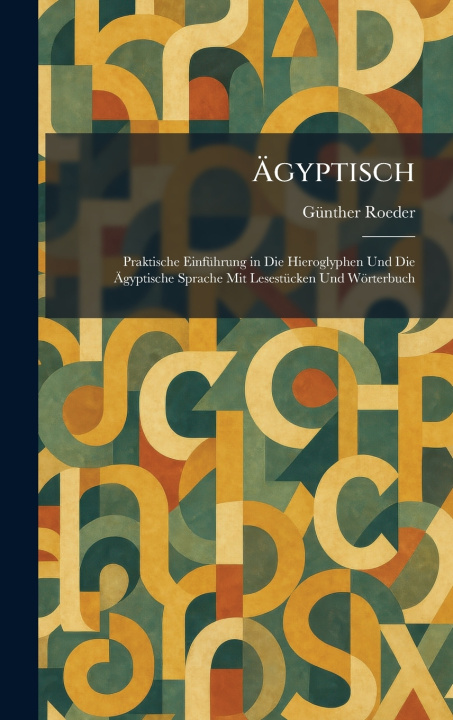
Das Werk "Ãgyptisch: Praktische Einführung in die Hieroglyphen und die ägyptische Sprache" stellt einen fundierten und systematischen Leitfaden für das Studium der altägyptischen Schrift und Sprache dar. Verfasst von dem profilierten Ãgyptologen Günther Roeder, richtet sich dieser Band sowohl an akademische Lernende als auch an passionierte Autodidakten, die einen wissenschaftlich exakten Zugang zur Welt der Pharaonen suchen.
Das Buch bietet eine strukturierte Einführung in die Grammatik und die komplexe Zeichenlehre der Hieroglyphen. Durch die Kombination von theoretischen Erläuterungen mit praktischen Ãbungen wird der Leser schrittweise an die Entzifferung originaler Texte herangeführt. Ein wesentlicher Bestandteil des Werkes sind die sorgfältig zusammengestellten Lesestücke, die einen authentischen Einblick in die literarische und monumentale Ãberlieferung Ãgyptens gewähren.
Zusätzlich enthält der Band ein hilfreiches Wörterbuch, das die eigenständige Ãbersetzung und Analyse ägyptischer Texte erleichtert. Als bedeutendes klassisches Lehrwerk der Ãgyptologie bleibt "Ãgyptisch" ein unverzichtbares Instrument für alle, die die Sprache der antiken Hochkultur am Nil im Original verstehen und interpretieren möchten.
This work has been selected by scholars as being culturally important, and is part of the knowledge base of civilization as we know it. This work was reproduced from the original artifact, and remains as true to the original work as possible. Therefore, you may see the original copyright references, library stamps (as most of these works have been housed in our most important libraries around the world), and other notations in the work.
This work is in the public domain in the United States of America, and possibly other nations. Within the United States, you may freely copy and distribute this work, as no entity (individual or corporate) has a copyright on the body of the work.
As a reproduction of a historical artifact, this work may contain missing or blurred pages, poor pictures, errant marks, etc. Scholars believe, and we concur, that this work is important enough to be preserved, reproduced, and made generally available to the public. We appreciate your support of the preservation process, and thank you for being an important part of keeping this knowledge alive and relevant.