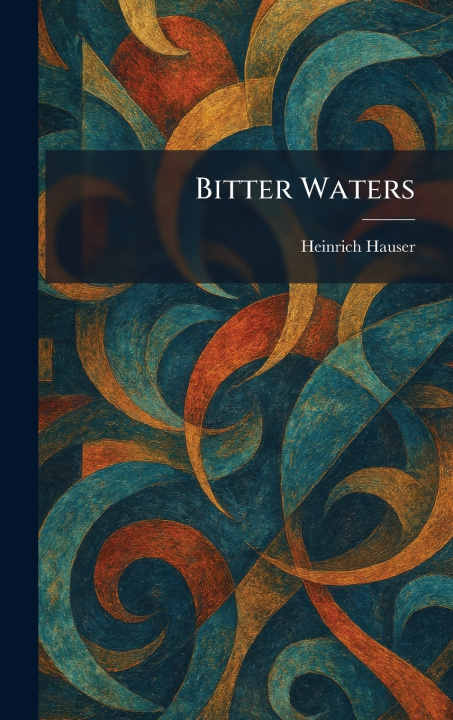
"Bitter Waters" is a visceral and atmospheric novel that captures the rugged reality of maritime life during the early 20th century. This work explores the life of a sailor navigating the unforgiving oceans and the equally harsh social environments of global port cities. Through vivid and often gritty prose, the narrative delves into themes of isolation, survival, and the restless human spirit.
The story follows a young protagonist who finds himself adrift in a world defined by industrial labor and sea-faring toil. The "bitter waters" of the title symbolize both the physical salt of the sea and the hardships faced by those living on the fringes of society. As the journey moves from the docks of northern Europe to the tropical landscapes of South America, the novel provides a realistic look at the struggles of the working class and the transient nature of life at sea. Awarded the Gerhart Hauptmann Prize in its era, "Bitter Waters" stands as a significant example of social realism, offering a stark contrast to more romanticized nautical tales. Its focus on sensory detail and psychological depth makes it a compelling read for those interested in classic maritime fiction and historical literary movements.
This work has been selected by scholars as being culturally important, and is part of the knowledge base of civilization as we know it. This work was reproduced from the original artifact, and remains as true to the original work as possible. Therefore, you may see the original copyright references, library stamps (as most of these works have been housed in our most important libraries around the world), and other notations in the work.
This work is in the public domain in the United States of America, and possibly other nations. Within the United States, you may freely copy and distribute this work, as no entity (individual or corporate) has a copyright on the body of the work.
As a reproduction of a historical artifact, this work may contain missing or blurred pages, poor pictures, errant marks, etc. Scholars believe, and we concur, that this work is important enough to be preserved, reproduced, and made generally available to the public. We appreciate your support of the preservation process, and thank you for being an important part of keeping this knowledge alive and relevant.