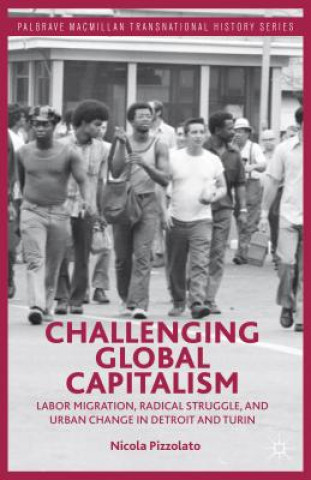
Though separated by thousands of miles, distinct languages and cultures, and divergent histories, the cities of Detroit and Turin were - beginning in the 1950s and with growing intensity throughout the 1960s and 1970s - both sites of significant political and social upheaval. This comparative and transnational study examines the political and theoretical developments that emerged in these two 'motor cities' among activist workers and political militants following World War II. As author Nicola Pizzolato shows, workers and activists in both locations formed a common understanding of capitalism, developing similar critiques and strategies of opposition, in part through direct contact: through personal correspondence, the exchange and translation of publications, and personal visits. At the same time, these protesters merged, often unconsciously, the local, national, and transnational dimensions of their movements, making their shared history a fascinating study of the trajectories of social unrest and political consciousness in the postwar era.