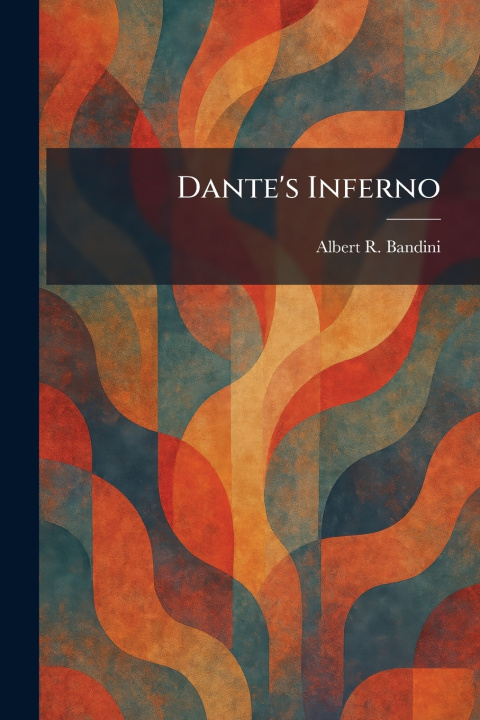
"Dante's Inferno" is a foundational masterpiece of Western literature, presented here in a verse translation by the Reverend Albert R. Bandini. As the first part of Dante Alighieri's epic "The Divine Comedy", this work chronicles the narrator's harrowing descent through the nine circles of Hell. Guided by the Roman poet Virgil, Dante witnesses the vivid and terrifying punishments assigned to various sins, creating a profound moral map of the medieval worldview.
Bandini's rendition seeks to capture the rhythmic spirit and theological depth of the original Italian, making the complex allegories of the 14th century accessible to English-speaking readers. The narrative serves as both a gripping journey into the macabre depths of the underworld and a sophisticated exploration of divine justice, human frailty, and the path toward spiritual redemption. From the iconic gates of Hell to the frozen center of the earth, the poem remains a cornerstone of poetic achievement.
This work offers readers a chance to engage with one of the most influential texts in history, exploring themes that have shaped centuries of art, philosophy, and religious thought. "Dante's Inferno" continues to be studied for its literary brilliance and its enduring reflection on the human condition and the consequences of moral choices.
This work has been selected by scholars as being culturally important, and is part of the knowledge base of civilization as we know it. This work was reproduced from the original artifact, and remains as true to the original work as possible. Therefore, you may see the original copyright references, library stamps (as most of these works have been housed in our most important libraries around the world), and other notations in the work.
This work is in the public domain in the United States of America, and possibly other nations. Within the United States, you may freely copy and distribute this work, as no entity (individual or corporate) has a copyright on the body of the work.
As a reproduction of a historical artifact, this work may contain missing or blurred pages, poor pictures, errant marks, etc. Scholars believe, and we concur, that this work is important enough to be preserved, reproduced, and made generally available to the public. We appreciate your support of the preservation process, and thank you for being an important part of keeping this knowledge alive and relevant.