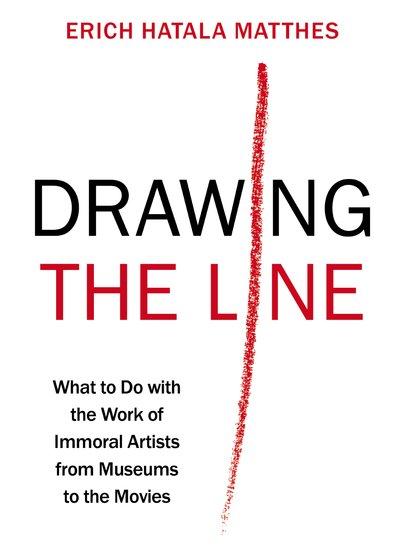
Can we still watch Woody Allen''s movies? Can we still laugh at Bill Cosby''s jokes? Woody Allen, Kevin Spacey, Dave Chappelle, Louis C. K., J.K. Rowling, Michael Jackson, Roseanne Barr. Recent years have proven rife with revelations about the misdeeds, objectional views, and, in some instances, crimes of popular artists. Spurred in part by the #metoo movement, and given more access than ever thanks to social media and the internet in general, the public has turned an alert and critical eye upon the once-hidden lives of previously cherished entertainers. But what should we members of the public do, think, and feel in response to these artists'' actions or statements? It''s a predicament that many of us face: whether it''s possible to disentangle the deeply unsettled feelings we have toward an artist from how we respond to the art they produced. As consumers of art, and especially as fans, we have a host of tricky moral question to navigate: do the moral lives of artists affect the aesthetic quality of their work? Is it morally permissible for us to engage with or enjoy that work? Should immoral artists and their work be "canceled"? Most of all, can we separate an artist from their art? In Drawing the Line, Erich Hatala Matthes employs the tools of philosophy to offer insight and clarity to the ethical questions that dog us. He argues that it doesn''t matter whether we can separate the art from the artist, because we shouldn''t. While some dismiss the lives of artists as if they are irrelevant to the artist''s work, and others instrumentalize artwork, treating it as nothing more than a political tool, Matthes argues both that the lives of artists can play an important role in shaping our moral and aesthetic relationship to the artworks that we love and that these same artworks offer us powerful resources for grappling with the immorality of their creators. Rather than shunning art made by those who have been canceled, shamed, called out, or even arrested, we should engage with it all the more thoughtfully and learn from the complexity it forces us to confront. Recognizing the moral and aesthetic relationships between art and artist is crucial to determining when and where we should draw the line when good artists do bad things.