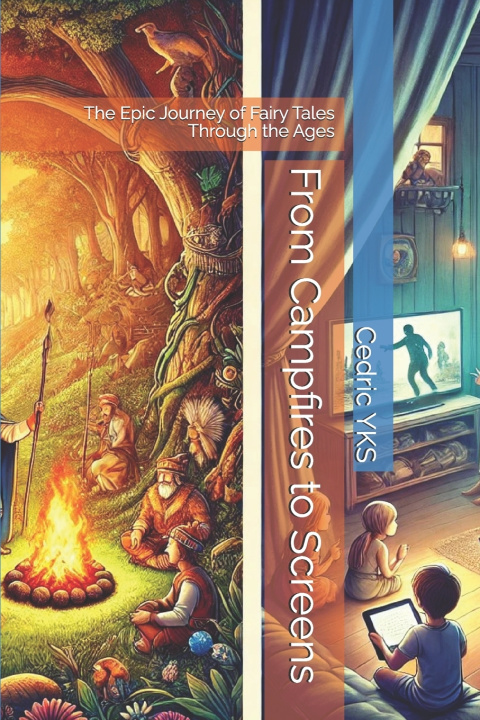
Dive into the fascinating world of fairy tales and discover their evolution from their origins in oral traditions to their modern adaptations in books, films, video games, and comics. "From Campfires to Screens: The Epic Journey of Fairy Tales Through the Ages" explores how these timeless stories have traversed the ages, influenced and been influenced by cultural and social contexts.
This book is specially designed for:
• Literature Students: Enrich your knowledge with an in-depth analysis of the evolution of fairy tales, from their earliest oral forms to their modern reinterpretations by contemporary authors. This book is a valuable resource for understanding the enduring impact of fairy tales on literature.
• Teachers: Use this book as an educational tool to explore the history of fairy tales, their transmission, and their transformation over the centuries. Each chapter offers detailed information and concrete examples to illustrate key points.
• Fairy Tale Enthusiasts: Rediscover your favorite stories in a new light. This book examines the transformations of fairy tales across different media, offering a new and enriching perspective on these beloved narratives.
• Curious About the Evolution of Narrative Traditions: Whether you are a fan of fairy tales or a researcher, this book guides you through the rich and varied history of fairy tales, highlighting their continued importance and relevance in the modern world.
Highlights of the Book:
• Detailed Analysis: Each chapter explores the different phases of the evolution of fairy tales, from oral tradition to modern literature and contemporary media.
• Concrete Examples: Discover case studies and specific examples of fairy tales reinterpreted by famous authors and in modern adaptations.
• Cultural Impact: Understand how fairy tales have influenced values, cultural norms, and social behaviors over time.
• Educational Resources: Ideal for teachers and students, this book provides tools and ideas for integrating the study of fairy tales into educational settings.
Chapter Summaries: