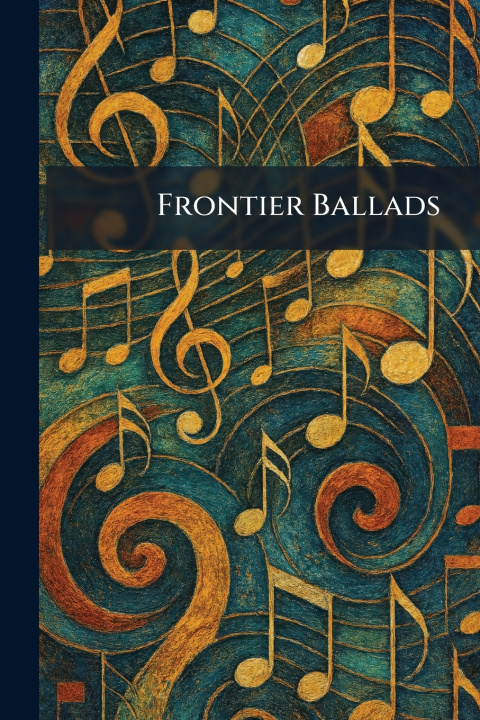
"Frontier Ballads" is a captivating collection of songs and verses gathered from the rugged edges of civilization. Compiled by Charles J. Finger, this work preserves the authentic voice of the American frontier, featuring a diverse array of ballads sung by cowboys, gold-seekers, and adventurers. The collection captures the spirit of a bygone era, reflecting the hardships, triumphs, and daily lives of those who shaped the West.
The book organizes these traditional tunes into thematic sections, providing a window into the cultural landscape of the 19th and early 20th centuries. From melancholic tales of loss on the trail to boisterous drinking songs and outlaw legends, "Frontier Ballads" serves as both a musical archive and a literary testament to the folk traditions of the pioneers. Finger's observations accompany the lyrics, offering context to the melodies that once echoed across the plains and through the mining camps. This volume is an essential resource for lovers of Americana, folk music enthusiasts, and anyone interested in the raw, unpolished storytelling that defines the frontier experience.
This work has been selected by scholars as being culturally important, and is part of the knowledge base of civilization as we know it. This work was reproduced from the original artifact, and remains as true to the original work as possible. Therefore, you may see the original copyright references, library stamps (as most of these works have been housed in our most important libraries around the world), and other notations in the work.
This work is in the public domain in the United States of America, and possibly other nations. Within the United States, you may freely copy and distribute this work, as no entity (individual or corporate) has a copyright on the body of the work.
As a reproduction of a historical artifact, this work may contain missing or blurred pages, poor pictures, errant marks, etc. Scholars believe, and we concur, that this work is important enough to be preserved, reproduced, and made generally available to the public. We appreciate your support of the preservation process, and thank you for being an important part of keeping this knowledge alive and relevant.