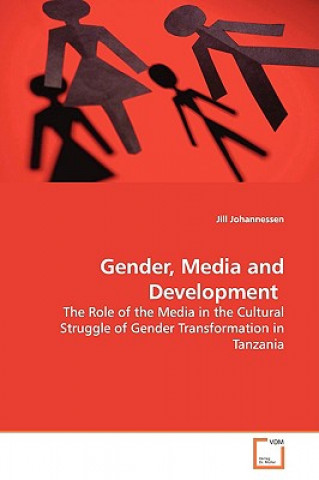
The mass media sees social change through gendered§spectacles, which often puts women at risk of§negative representations. The author addresses how§gender is constructed in Tanzanian newspapers and§local television drama against the backdrop of§political and economic reforms. The movement from§socialist to capitalist principles, starting in the§mid 1980s, fueled public distress concerning the§effects of Western influence and commercialization on§local culture and morality. This book shows that§conflicts and tensions arising from this process§reverberate in the mass media, as can be seen in the§massive coverage of women as victims of gender§violence and sexual abuse, recurring images of women§as prostitutes, as well as the gold-digger girls.§This work offers an original contribution to research§on Tanzanian media and gender issues; linking§representations of women to power, empowerment and§development. With its explorative view and§comprehensive empirical analyses of cultural§representations, including examination of audiences §interpretations, this book will be essential reading§for students and scholars of communications,§development studies and women s studies.