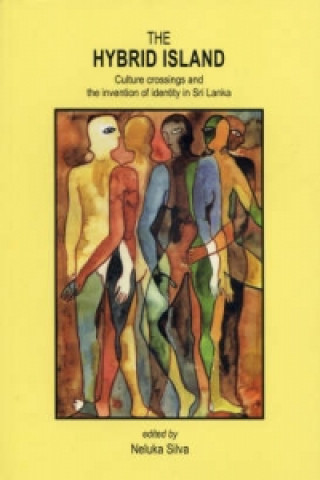
This tribute to the mixed hybrid and multicultural nature of Sri Lanka's society, composed of Sinhala, Tamil,Muslims and Burghers and including the major faiths, Buddhism, Hindu, Islam and Christianity, challenges assumptions of ethnic purity. It attempts to recover a hidden history of hybridity, and assesses when it is empowering and when it is not. The topics covered range from the personal effects of hybridity to its political ramifications. The contributors look at different notions of hybridity - identity, race and culture - and explore the class, caste, gender, ethnic and religious constituents that determine Sri Lankan forms of intermixing. They develop a theoretical discourse to deal with the real contexts they grapple with, and render a meaning for the term hybridity, which reflects the complexities of Sri Lanka.