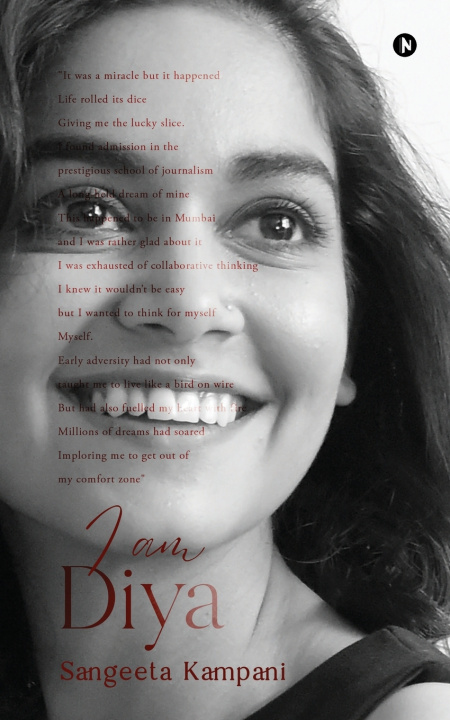
As the seasons turn, so do the stories we tell. If 'The many versions of Mrs Sharma', lingered in incense-ridden courtyards of tradition, 'I am Diya', steps into a bustling city, alive with new possibilities. Unlike Mrs Sharma-a mere footnote in her own home-Diya claims the centre. She stumbles through multiple heartbreaks, rises through grit, marries again at forty, and shapes a life entirely on her own terms. In a city breathing new air, she questions, resists, lives, becomes.
The storytelling is deliberately direct-it unfolds like a personal confession rather than a scripted tale. She speaks because she is boiling inside. She has witnessed historical exclusion, her own mother a stark example-the woman who cooks, cleans, cares and yet is the last one to pick up the plate. That is what is expected out of her. Empowerment strangely continues to elude most of our dining tables. Diya refuses to follow these inheritances of permissions and prohibitions. Like most women, she encounters her first battle at home. The very space that ought to offer safety becomes the first site of coercion. Marriage is invoked as destiny. Mobility is policed. Ambition is stifled. Diya chooses to walk out of this architecture of control. Hers is no rebellion, no rupture, she raises no storm. She simply opens a small window that lets in a bit of fresh air. Meet her. Unbridled, unapologetic, unbound.