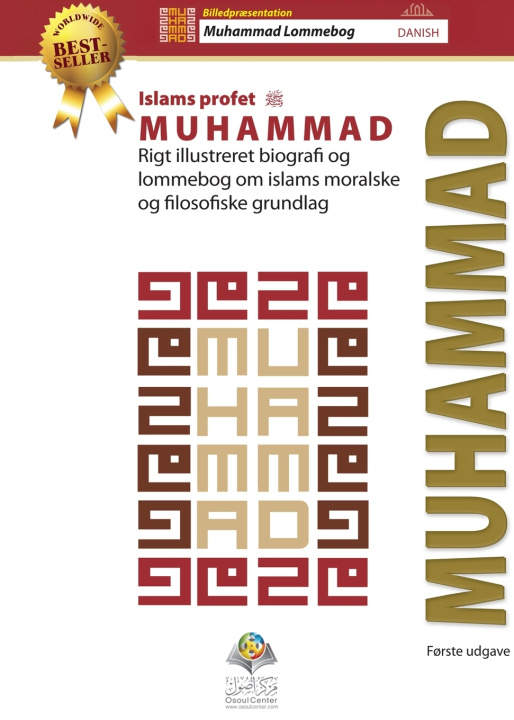
Denne bog præsenterer en struktureret og tilgængelig fremstilling af profeten Muhammads liv og lære inden for rammerne af islamisk etik og civilisationsudvikling. Baseret på autentiske kilder fremhæver værket de moralske principper, sociale strukturer og intellektuelle grundlag, der blev etableret gennem den profetiske mission.
Bogen understreger Koranen som den centrale kilde til vejledning og Sunnah som dens praktiske udmøntning. Den behandler centrale emner som profeti, moral, retfærdighed og opbygningen af et samfund baseret på guddommelige principper.
Derudover belyser værket spørgsmål om menneskerettigheder, miljøansvar og sociale normer, og viser hvordan disse blev formuleret inden for den tidlige islamiske ramme. Profetens liv fremstilles ikke kun som historisk beretning, men som et eksempel på etisk og samfundsmæssig orden.
Bogen er skrevet i et klart og systematisk sprog og bevarer troværdigheden til klassiske kilder. Den egner sig til studerende, forskere og biblioteker, der søger en pålidelig introduktion til islamisk etik og historie.
This volume presents a structured and accessible study of the life and teachings of Prophet Muhammad, situated within the broader context of Islamic ethical and civilizational development. Drawing upon authenticated sources, it highlights the moral framework, social organization, and intellectual principles established through the Prophetic mission.
The work emphasizes the Qur'ān as the central source of guidance and the Sunnah as its practical embodiment. It explores key themes such as Prophethood, ethical conduct, social justice, and the formation of a balanced community governed by divine principles.
The book also examines issues related to human rights, environmental responsibility, and the development of social norms, illustrating how these were articulated within the early Islamic framework. It presents the Prophet's life not only as a historical narrative but as a model of ethical and societal order.
Written in a clear and structured format, the volume avoids rhetorical excess and maintains fidelity to classical sources. It serves as a reliable introduction for students, researchers, and institutional libraries seeking a concise overview of Islamic ethical and historical thought.