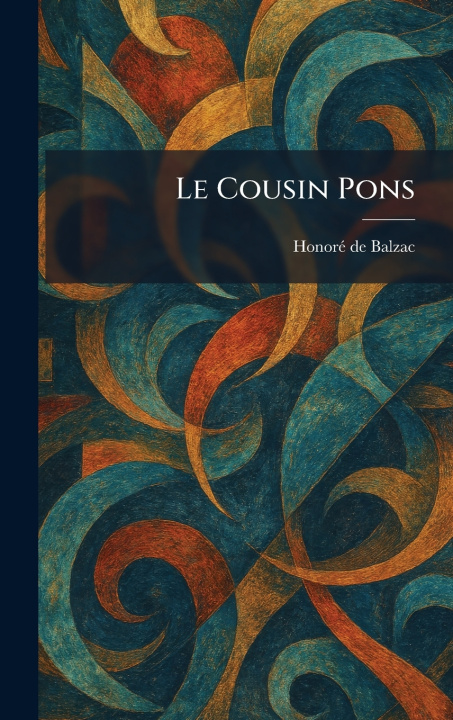
"Le Cousin Pons" is a masterful exploration of human nature, greed, and the complexities of social status within Honore de Balzac's expansive series, "La Comédie humaine". The novel tells the story of Sylvain Pons, an elderly, impoverished musician and dedicated collector of fine art and antiquities. Living in Paris with his loyal friend, Wilhelm Schmucke, Pons is largely dismissed by his wealthy relatives until the true value of his hidden collection is revealed. This discovery ignites a predatory struggle among his social-climbing cousins and opportunistic neighbors, who stop at nothing to secure his inheritance.
Balzac provides a sharp critique of the Parisian middle class, highlighting the contrast between the pure, aesthetic devotion of Pons and the materialistic cruelty of the society surrounding him. As the companion piece to "Cousine Bette", this work stands as one of Balzac's most poignant and tightly woven narratives, blending the intricate details of art history with a devastating portrayal of domestic intrigue. A cornerstone of literary realism, "Le Cousin Pons" remains a compelling study of the fragility of friendship and the destructive power of avarice.
This work has been selected by scholars as being culturally important, and is part of the knowledge base of civilization as we know it. This work was reproduced from the original artifact, and remains as true to the original work as possible. Therefore, you may see the original copyright references, library stamps (as most of these works have been housed in our most important libraries around the world), and other notations in the work.
This work is in the public domain in the United States of America, and possibly other nations. Within the United States, you may freely copy and distribute this work, as no entity (individual or corporate) has a copyright on the body of the work.
As a reproduction of a historical artifact, this work may contain missing or blurred pages, poor pictures, errant marks, etc. Scholars believe, and we concur, that this work is important enough to be preserved, reproduced, and made generally available to the public. We appreciate your support of the preservation process, and thank you for being an important part of keeping this knowledge alive and relevant.