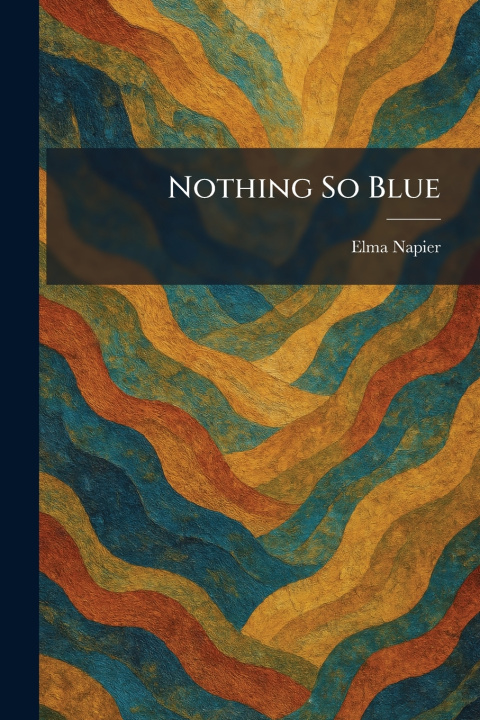
"Nothing So Blue" is a compelling collection of travel sketches and personal essays by the insightful writer Elma Napier. Drawing from her extensive journeys across the globe, Napier captures the essence of remote landscapes and diverse cultures with a keen eye for detail and a lyrical prose style. The work primarily explores the vibrant atmospheres of the South Seas, the rugged terrain of Australia, and the lush beauty of the Caribbean, offering readers a window into the early 20th-century world through the lens of a sophisticated and observant traveler.
Napier's writing transcends mere reportage, delving into the emotional and sensory experiences of life abroad. Whether describing the shimmering lagoons of the Pacific or the social nuances of colonial outposts, her narratives reflect a deep appreciation for the natural world and a curiosity about the human condition. As an important contribution to women's travel literature, "Nothing So Blue" remains a testament to the spirit of adventure and the enduring power of place in the literary imagination. This collection serves as a vivid record of a bygone era, preserving the colors, sounds, and stories of the places that shaped Napier's distinctive perspective.
This work has been selected by scholars as being culturally important, and is part of the knowledge base of civilization as we know it. This work was reproduced from the original artifact, and remains as true to the original work as possible. Therefore, you may see the original copyright references, library stamps (as most of these works have been housed in our most important libraries around the world), and other notations in the work.
This work is in the public domain in the United States of America, and possibly other nations. Within the United States, you may freely copy and distribute this work, as no entity (individual or corporate) has a copyright on the body of the work.
As a reproduction of a historical artifact, this work may contain missing or blurred pages, poor pictures, errant marks, etc. Scholars believe, and we concur, that this work is important enough to be preserved, reproduced, and made generally available to the public. We appreciate your support of the preservation process, and thank you for being an important part of keeping this knowledge alive and relevant.