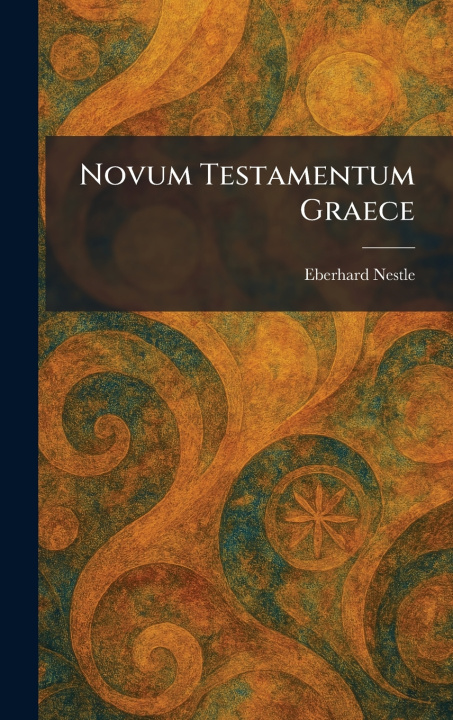
"Novum Testamentum Graece" ist ein Meilenstein der biblischen Textkritik und bietet den rekonstruierten griechischen Urtext des Neuen Testaments. Dieses wissenschaftliche Standardwerk, das maÃgeblich von Eberhard Nestle geprägt wurde, liefert eine präzise Grundlage für das Studium der Heiligen Schrift und die theologische Forschung. Durch den Vergleich bedeutender Manuskripte und Textzeugen wird ein fundierter Text bereitgestellt, der als Referenz für moderne Exegese und Bibelübersetzungen weltweit dient.
Das Werk ist unverzichtbar für Wissenschaftler, Studenten der Theologie und Philologen, die sich mit der Ãberlieferungsgeschichte und der sprachlichen Gestalt der biblischen Texte beschäftigen. Die sorgfältige Aufbereitung des textkritischen Apparats ermöglicht es dem Leser, Varianten im griechischen Text nachzuvollziehen und ein tieferes Verständnis für die philologische Entwicklung der neutestamentlichen Schriften zu gewinnen. "Novum Testamentum Graece" bleibt somit ein essenzielles Werkzeug für jede fundierte Auseinandersetzung mit dem Neuen Testament in seiner Originalsprache.
This work has been selected by scholars as being culturally important, and is part of the knowledge base of civilization as we know it. This work was reproduced from the original artifact, and remains as true to the original work as possible. Therefore, you may see the original copyright references, library stamps (as most of these works have been housed in our most important libraries around the world), and other notations in the work.
This work is in the public domain in the United States of America, and possibly other nations. Within the United States, you may freely copy and distribute this work, as no entity (individual or corporate) has a copyright on the body of the work.
As a reproduction of a historical artifact, this work may contain missing or blurred pages, poor pictures, errant marks, etc. Scholars believe, and we concur, that this work is important enough to be preserved, reproduced, and made generally available to the public. We appreciate your support of the preservation process, and thank you for being an important part of keeping this knowledge alive and relevant.