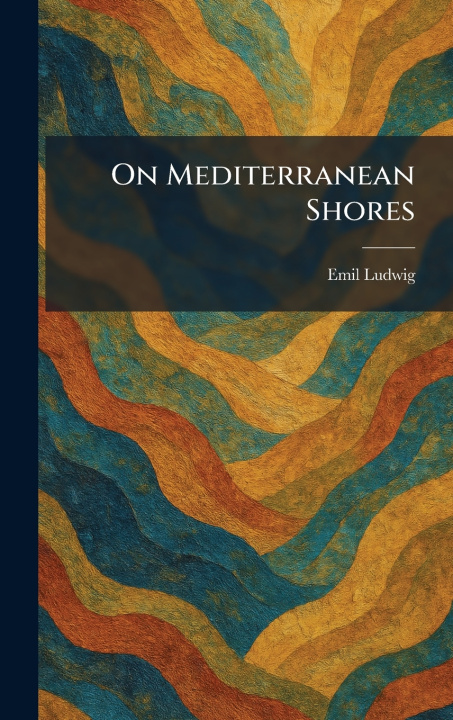
"On Mediterranean Shores" is a captivating travel narrative by the renowned biographer and journalist Emil Ludwig. Written in the late 1920s, this work offers a vivid and insightful panorama of the Mediterranean world during a transformative era. Ludwig takes the reader on a journey from the bustling ports of Italy and the storied ruins of Greece to the emerging social landscapes of Egypt and Palestine.
With his characteristic psychological depth and descriptive flair, Ludwig captures the essence of these diverse cultures, examining the intersection of ancient history and modern political shifts. The narrative is more than just a geographic survey; it is an evocative exploration of the Mediterranean as a cradle of civilization and a vital crossroads of the global community. Through personal observations and reflections on the natural beauty of the coastlines, Ludwig provides a unique perspective on the geopolitical and social atmosphere of the interwar period.
This volume remains a significant piece of travel literature, blending keen historical observation with a poetic appreciation for the enduring spirit of the Mediterranean regions. Readers interested in the history of the 20th century, the Middle East, and European travel will find this work an indispensable look into a world on the brink of change.
This work has been selected by scholars as being culturally important, and is part of the knowledge base of civilization as we know it. This work was reproduced from the original artifact, and remains as true to the original work as possible. Therefore, you may see the original copyright references, library stamps (as most of these works have been housed in our most important libraries around the world), and other notations in the work.
This work is in the public domain in the United States of America, and possibly other nations. Within the United States, you may freely copy and distribute this work, as no entity (individual or corporate) has a copyright on the body of the work.
As a reproduction of a historical artifact, this work may contain missing or blurred pages, poor pictures, errant marks, etc. Scholars believe, and we concur, that this work is important enough to be preserved, reproduced, and made generally available to the public. We appreciate your support of the preservation process, and thank you for being an important part of keeping this knowledge alive and relevant.