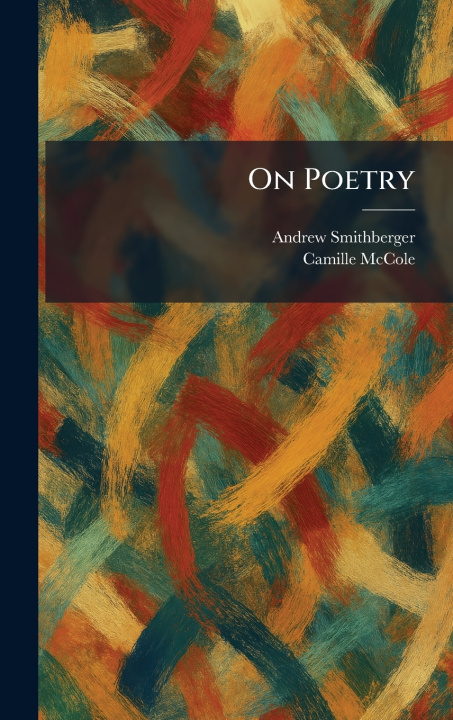
"On Poetry" is a comprehensive exploration of the art and craft of poetic expression. Written as an accessible guide for students and enthusiasts alike, this work delves into the fundamental elements that define the genre, from rhythm and meter to imagery and emotional resonance. Authors Andrew Smithberger and Camille McCole provide a structured analysis of how poetry functions as a unique medium of human communication, examining the technical mastery required to transform thought into verse.
The text serves as both an introduction to poetic theory and a celebration of the medium's historical development. It addresses the various forms and structures that have shaped the literary landscape, offering readers the tools necessary to analyze and appreciate the nuances of different poetic styles. By focusing on the intrinsic qualities of the work, "On Poetry" remains a valuable resource for anyone seeking a deeper understanding of the aesthetic and technical dimensions of the written word. This study invites readers to engage more profoundly with the beauty of language, providing clarity on the complex relationship between the poet's intent and the reader's experience.
This work has been selected by scholars as being culturally important, and is part of the knowledge base of civilization as we know it. This work was reproduced from the original artifact, and remains as true to the original work as possible. Therefore, you may see the original copyright references, library stamps (as most of these works have been housed in our most important libraries around the world), and other notations in the work.
This work is in the public domain in the United States of America, and possibly other nations. Within the United States, you may freely copy and distribute this work, as no entity (individual or corporate) has a copyright on the body of the work.
As a reproduction of a historical artifact, this work may contain missing or blurred pages, poor pictures, errant marks, etc. Scholars believe, and we concur, that this work is important enough to be preserved, reproduced, and made generally available to the public. We appreciate your support of the preservation process, and thank you for being an important part of keeping this knowledge alive and relevant.