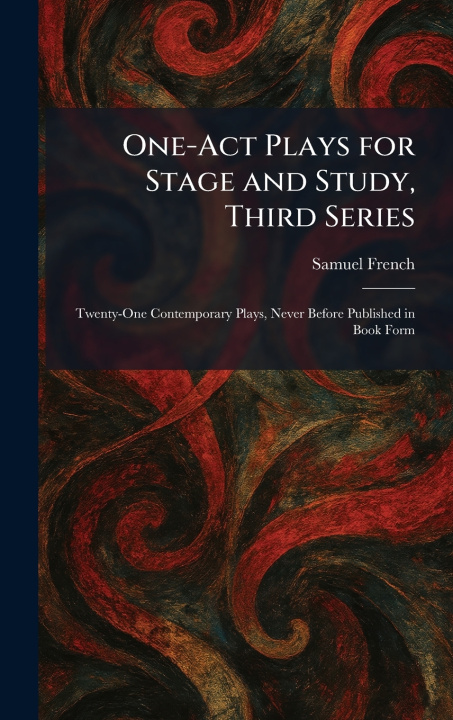
"One-Act Plays for Stage and Study, Third Series" is an expansive anthology featuring twenty-one contemporary dramatic works that represent the vibrant theatrical landscape of the early 20th century. This collection brings together a diverse array of short-form plays, many of which were presented in book form for the first time within this volume. Designed specifically for both practical stage production and academic analysis, the anthology showcases the versatility of the one-act format, ranging from sharp comedies to intense psychological dramas.
As a significant resource for actors, directors, and students of literature, this work highlights the evolution of modern playwriting and the social themes prevalent during the 1920s. The selections included provide a fascinating glimpse into the artistic sensibilities of the era, offering rich material for performance and study alike. By capturing the creativity of various playwrights in a single volume, "One-Act Plays for Stage and Study, Third Series" remains a vital testament to the enduring power and efficiency of the short play in the world of professional and amateur theater.
This work has been selected by scholars as being culturally important, and is part of the knowledge base of civilization as we know it. This work was reproduced from the original artifact, and remains as true to the original work as possible. Therefore, you may see the original copyright references, library stamps (as most of these works have been housed in our most important libraries around the world), and other notations in the work.
This work is in the public domain in the United States of America, and possibly other nations. Within the United States, you may freely copy and distribute this work, as no entity (individual or corporate) has a copyright on the body of the work.
As a reproduction of a historical artifact, this work may contain missing or blurred pages, poor pictures, errant marks, etc. Scholars believe, and we concur, that this work is important enough to be preserved, reproduced, and made generally available to the public. We appreciate your support of the preservation process, and thank you for being an important part of keeping this knowledge alive and relevant.