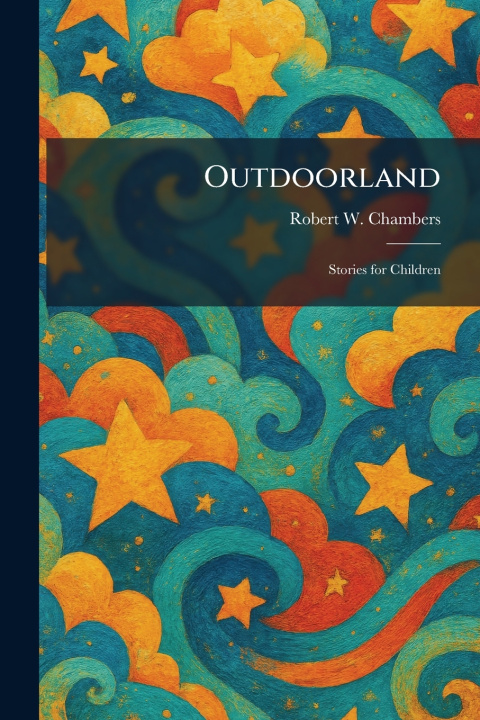
"Outdoorland : Stories for Children" is a charming collection of tales designed to introduce young readers to the wonders of the natural world through a blend of fiction and education. The narrative follows two children, Peter and Geraldine, as they encounter various creatures in their backyard and beyond. Through engaging dialogue with personified animals and insects-including a butterfly, a trout, and a frog-the book reveals the fascinating habits and life cycles of the residents of the wild.
Robert W. Chambers crafts a whimsical yet informative journey that emphasizes the beauty and complexity of nature. Each story is designed to spark curiosity and foster a sense of stewardship for the environment in children. By giving voices to the inhabitants of the outdoors, the work bridges the gap between scientific observation and imaginative storytelling. "Outdoorland : Stories for Children" remains a classic example of early 20th-century nature writing for youth, offering a timeless invitation for readers to explore the vibrant ecosystems that exist just outside their doors.
This work has been selected by scholars as being culturally important, and is part of the knowledge base of civilization as we know it. This work was reproduced from the original artifact, and remains as true to the original work as possible. Therefore, you may see the original copyright references, library stamps (as most of these works have been housed in our most important libraries around the world), and other notations in the work.
This work is in the public domain in the United States of America, and possibly other nations. Within the United States, you may freely copy and distribute this work, as no entity (individual or corporate) has a copyright on the body of the work.
As a reproduction of a historical artifact, this work may contain missing or blurred pages, poor pictures, errant marks, etc. Scholars believe, and we concur, that this work is important enough to be preserved, reproduced, and made generally available to the public. We appreciate your support of the preservation process, and thank you for being an important part of keeping this knowledge alive and relevant.