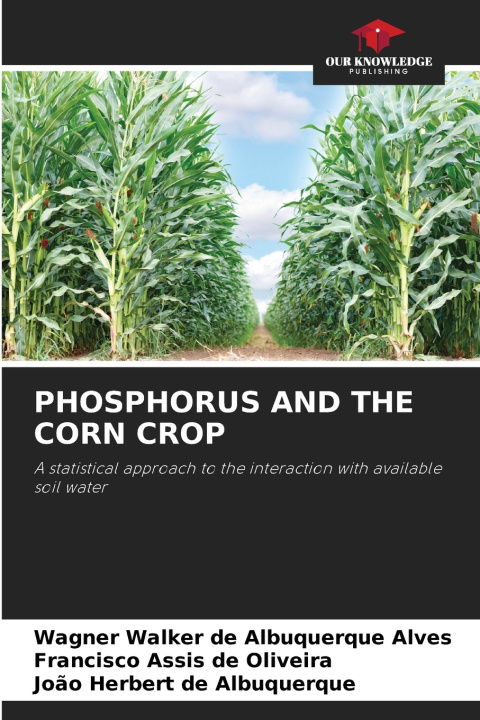
Maize is an agricultural crop with an ancient tradition, whose first explorers were the indigenous civilization of North America. It is a plant that adapts to different types of soil and climate, but to achieve high productivity it needs proper management, including nutrition. Phosphorus is one of the essential nutrients for corn, as it plays crucial roles in its growth and development. It is involved in processes such as the formation of strong, deep roots and initial plant development, especially emergence and establishment. Phosphorus deficiency can cause slow growth, smaller plants, fewer ears and significant yield losses. Therefore, the correct application of phosphorus in the soil, either through fertilization or practices that increase its availability, is vital to guarantee a healthy and productive crop. The aim of this study was to evaluate the effect of increasing doses of phosphate fertilization and the management of available water, through the application of different levels of available soil moisture, on some characteristics of the growth, development and productivity of the maize crop.