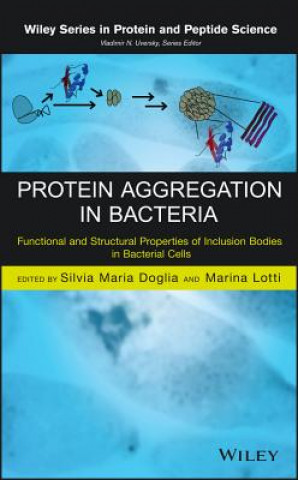
This book focuses on the aggregation of recombinant proteins in bacterial cells in the form of inclusion bodies. Recent reports revolutionized the current view of inclusion bodies from that of inert deposits of inactive proteins to reservoirs of proteins that can eventually maintain biological activity and/or be rescued by cells. Aggregation is put in the context of updated knowledge about the folding and aggregation of proteins in simple cells and new perspectives derived from the application of this knowledge are presented.§The following topics are addressed: a) molecular and cellular mechanisms of protein folding, aggregation§and disaggregation in bacteria; b) physiological importance and consequences of aggregation for the bacterial cell; c) factors inherent to the protein sequence responsible for aggregation and evolutionary mechanisms to keep proteins soluble; d) structural properties of proteins expressed as soluble aggregates and as inclusion bodies within bacterial cells both from a methodological point of view and with regard to their similarity with amyloids; e) control of the structural and functional properties of aggregated proteins and use thereof in biotechnology and medicine.