The Narrative Engine: The Letters
The most distinctive feature of the book is its reliance on a "miracle find"-over 150 original letters hidden in an attic in Rivarolo Canavese, Italy. These letters provide a rare "double perspective." Most immigrant stories are told only from the perspective of those who left; this book includes the voices of those who stayed behind, desperate for news, money, and connection.
The Geography of Struggle: From the Alps to the Rockies
The book tracks a specific migration path from the Piedmont region of Northern Italy to the San Juan Mountains of Colorado.
- The Mining Frontier: In Silverton, the family lived at an elevation of over 9,000 feet. The book describes the brutal winters, the constant threat of mining accidents, and the social hierarchy where "Northern Italians" often looked down upon "Southern Italians" and "Tyroleans."
- The Business of Vice: The Belleview Saloon in Silverton was a cornerstone of the narrative. Niemann describes the physical layout of the saloon, the gambling tables, and the "cribs" (small rooms for prostitution) that were legally part of the business but morally distressing to the family's matriarch, Angelina.
The Matriarchal Conflict: Angelina's Burden
While Louis Sartore was the business visionary, Angelina Giordano Sartore is the emotional heart of the book.
- Cultural Resistance: Angelina never fully accepted America. She viewed Silverton as "crude" and spent decades trying to replicate the class-conscious, structured society of Italy in the lawless West.
- Arranged Marriages: A major sub-plot involves Angelina's attempts to control her children's romantic lives. She famously opposed her daughter Katie's love for a Tyrolean man because he wasn't from their specific region of Italy. This internal family "war" reflects the broader immigrant struggle of maintaining tradition versus embracing American independence.
The Dramatic Climax: The Death of Peter Dalla
The book reaches a fever pitch with the story of Peter Dalla, a man loved by the daughter Katie but despised by the parents. His sudden and suspicious death-which many in the community believed was a murder-is a pivotal moment that explores the dark side of immigrant feuds. Niemann uses court records and family whispers to reconstruct a tragedy that local history books had long forgotten.
Societal Shifts: Prohibition and the Great Depression
The family's journey is a microcosm of American history:
- The Golden Era: The years of the saloon "boom" where money flowed freely.
- The Moral Shift: The rise of the Temperance Movement. When Colorado went "dry" in 1916 (four years before the rest of the nation), the family had to literally take down the "Salone Vitaliano" sign.
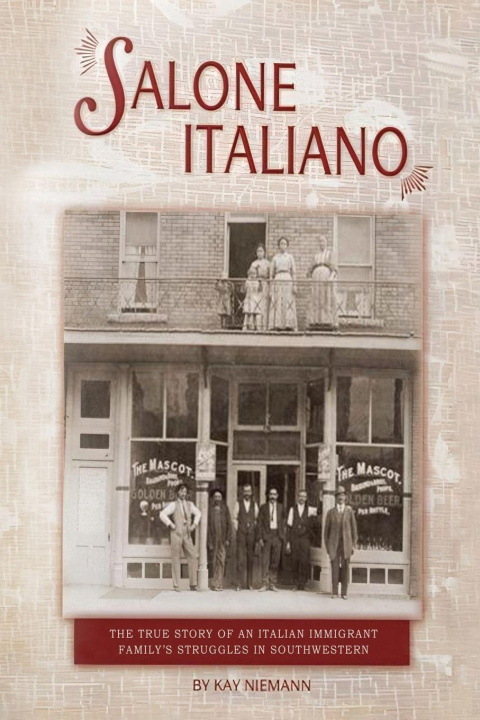
- The Rebirth: The transformation of the saloon into The Mascot, a legitimate boarding house and restaurant in Durango, where they served the now-famous "Golden Beer."
The Preservation of a Dying Tongue
Niemann includes a "mini-dictionary" and specific linguistic notes on the Piemonte's dialect. She explains that this language was the primary mode of communication for the characters, and by translating it, she is saving a piece of European history that is now largely extinct even in Italy.