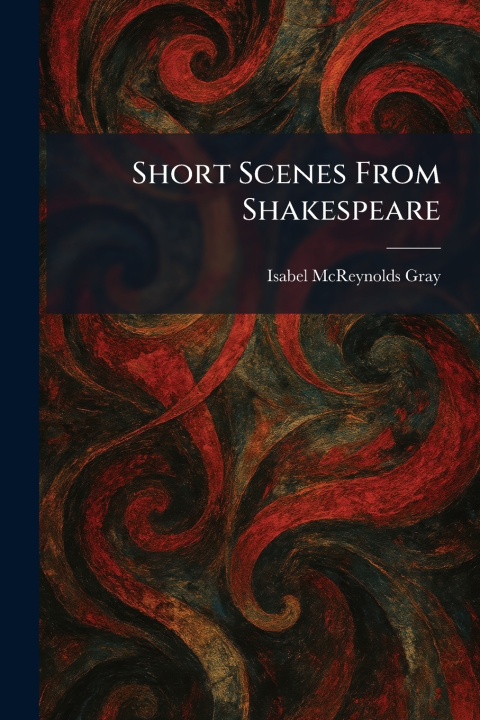
"Short Scenes From Shakespeare" is a curated anthology designed to highlight the dramatic power and linguistic beauty of William Shakespeare's most iconic works. Compiled by Isabel McReynolds Gray, this collection features carefully selected excerpts that capture the essence of various plays, ranging from tragic soliloquies to comedic exchanges. The work serves as both a literary survey and a practical resource for those interested in the study of classical drama.
By isolating specific scenes, the volume allows readers to focus on the intricate character development and masterful wordplay that define the Shakespearean canon. It bridges the gap between full-length plays and standalone poetry, providing a clear window into the theatrical world of the Elizabethan and Jacobean eras. Whether used for individual study, classroom instruction, or performance preparation, this collection emphasizes the timeless relevance of Shakespeare's themes and the enduring strength of his dramatic structure.
This selection remains a valuable tool for anyone seeking a deeper appreciation of the works of the world's most celebrated playwright. It offers a structured approach to exploring the human condition as depicted through some of the most famous lines in the English language.
This work has been selected by scholars as being culturally important, and is part of the knowledge base of civilization as we know it. This work was reproduced from the original artifact, and remains as true to the original work as possible. Therefore, you may see the original copyright references, library stamps (as most of these works have been housed in our most important libraries around the world), and other notations in the work.
This work is in the public domain in the United States of America, and possibly other nations. Within the United States, you may freely copy and distribute this work, as no entity (individual or corporate) has a copyright on the body of the work.
As a reproduction of a historical artifact, this work may contain missing or blurred pages, poor pictures, errant marks, etc. Scholars believe, and we concur, that this work is important enough to be preserved, reproduced, and made generally available to the public. We appreciate your support of the preservation process, and thank you for being an important part of keeping this knowledge alive and relevant.