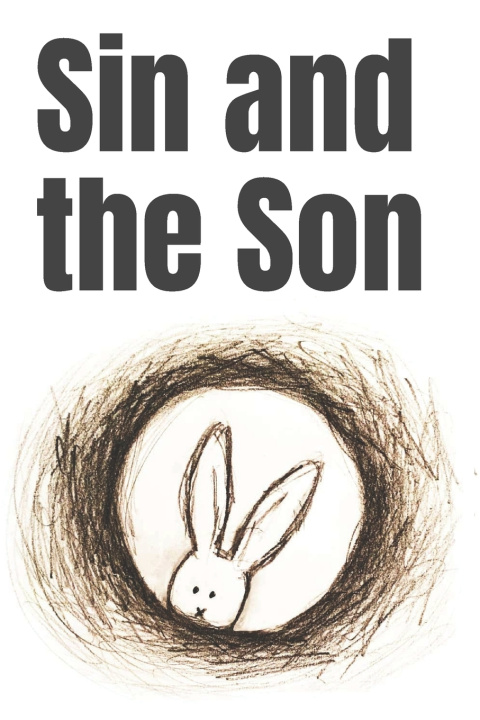
For many believers today, the Christian life is like a "rabbit hole," a never ending list of things to do to get clean and closer to God. Yet, the Apostle Paul has told us in no uncertain terms that, "God has made us alive together with Christ, and He's forgiven all of our sins" (Colossians 2:13). It's all in the past tense, it's the finished work of Christ and believers are complete in Him (Colossians 2:9-10).
In John 16:12 the Lord Jesus said to His disciples that He still had much to say to them but they were unable to bear them at that time. He had begun to reveal the new covenant but there was only so far He could go. His death and resurrection had not yet taken place. Hence His next words, "when the Spirit of Truth has come He will guide you into all truth." How exactly did this play out? Enter Saul of Tarsus, his radical conversion, and Saul becomes Paul. To him Jesus explicitly revealed the new covenant with its grace message (Galatians 1:11-12). Therefore, it is incumbent upon believers today to understand the truth of the new covenant and begin the transition from law based living to grace.
The concept of complete forgiveness through Jesus Christ can indeed be a challenging one for many Christians to fully grasp. Traditional teachings have often emphasized the need for ongoing confession and repentance to maintain a right standing with God. However, the New Testament presents a different picture of forgiveness and our relationship with Him.
At the heart of this understanding is the idea of total forgiveness, which is rooted in the finished work of Jesus on the cross. As Hebrews 10:14 reveals, "by one sacrifice he has made perfect forever those who are being made holy." This powerful truth assures believers that, through Jesus' sacrifice, they are made perfect in God's eyes, eliminating the need for repeated cleansing or forgiveness rituals. Colossians 2:13 further affirms that "He forgave us all our sins," indicating a once-for-all forgiveness that transforms our relationship with God.
The struggle many face often stems from a focus on sin rather than the Son. Romans 6:14 reminds us, "For sin shall no longer be your master, because you are not under the law, but under grace." This transition from law to grace can be daunting, as believers may feel compelled to adhere to the law to maintain their relationship with God. Yet, the new covenant urges us to live by the Spirit and embrace the freedom found in Christ (Galatians 5:1).
Furthermore, emphasizing sin consciousness over Christ consciousness can result from a lack of understanding of our new identity in Christ. As believers, we are new creations with new hearts (2 Corinthians 5:17), and our focus should shift toward our union with Christ and the righteousness we have in Him (2 Corinthians 5:21). The Holy Spirit continually works within us to remind us of our righteousness and guide us in living out our new identity (Romans 8:16).
In Sin and the Son, we will explore these profound truths, aiming to help readers understand and embrace the reality of complete forgiveness and their new identity in Christ. This journey can lead to a more profound experience of God's grace and a liberating freedom from the burden of sin consciousness.