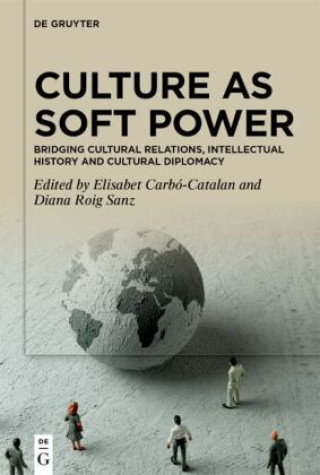
This book explores the phenomenon of soft power in international relations. In the context of current discourses on power and global power shift s, it puts forward a comprehensive taxonomy of soft power and outlines a methodological roadmap for its empirical study. To that end, the book classifies soft power into distinct components - resources, instruments, reception, and outcomes - and identifies relevant indicators for each of these categories. Moreover, the book integrates previously neglected aspects into the concept of soft power, including the significance of (political) personalities. A broad range of historical examples is drawn upon to illustrate the effects of soft power in international relations in an innovative and analytically differentiated way. A central methodological contribution of this book consists in highlighting the value of comparative-historical analysis (CHA) as a promising approach for empirical analyses of the soft power of different actors on the international stage. By introducing a comprehensive taxonomy of soft power, the book offers an innovative and substantiated perspective on a pivotal phenomenon in today's international relations. As the forces of attraction in world politics continue to gain in importance, it provides a valuable asset for a broad readership.This book was the winner of the 2021 ifa (German Institute for Foreign Cultural Relations) Research Award on Foreign Cultural Policy.