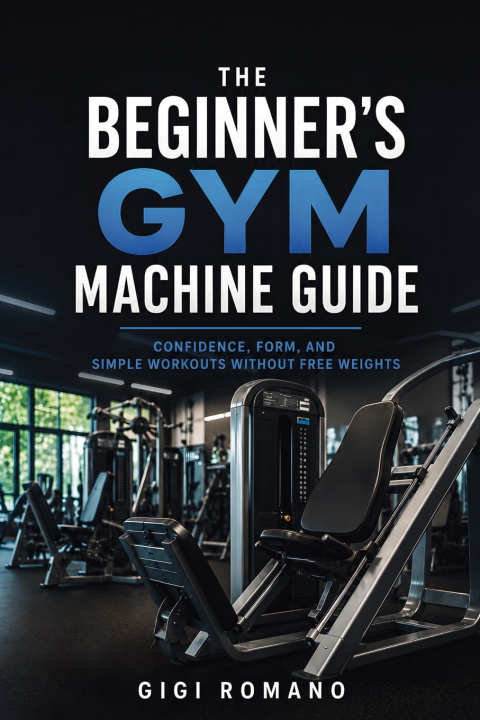
Walking into a gym for the first time can feel intimidating. Rows of machines, weight stacks, handles, cables, pads, and levers can make strength training seem more complicated than it needs to be. The Beginner's Gym Machine Guide offers a clear, practical, and reassuring path into the machine area of the gym, written especially for people who want to build strength without starting with barbells or dumbbells.
This accessible guide explains how to use common gym machines with confidence, including the leg press, chest press, shoulder press, lat pulldown, seated row, leg extension, leg curl, cable stations, core machines, and full-body routines. It focuses on setup, form, effort, warm-ups, progression, gym etiquette, and consistency, helping beginners understand not only what to do, but why each movement matters. With a calm, fact-based approach, the book shows that machine training can be a safe, structured, and effective way to begin strength training.
Designed for nervous beginners, returning exercisers, older adults, and anyone who prefers guided resistance training, this book removes guesswork from the gym floor. It does not promise shortcuts, extreme transformations, or advanced athletic programming. Instead, it gives readers a realistic foundation: how to adjust machines, choose sensible weights, move with control, build simple routines, and return to the gym with growing confidence.
Disclaimer
This book is an independent general fitness guide and is not affiliated with, sponsored by, authorised by, or endorsed by any gym chain, fitness equipment manufacturer, certification body, health organisation, or commercial fitness brand. All product names, gym equipment names, manufacturer names, trademarks, and registered trademarks, where mentioned, remain the property of their respective owners and are used only in a general descriptive sense.
The information in this book is provided for educational and informational purposes only. It is not medical advice, physiotherapy advice, personal training prescription, rehabilitation guidance, or a substitute for consultation with a qualified health, fitness, or medical professional. Readers should consult an appropriate professional before beginning or changing an exercise programme, especially if they have injuries, medical conditions, pain, recent surgery, mobility limitations, or any concerns about safe participation in physical activity.