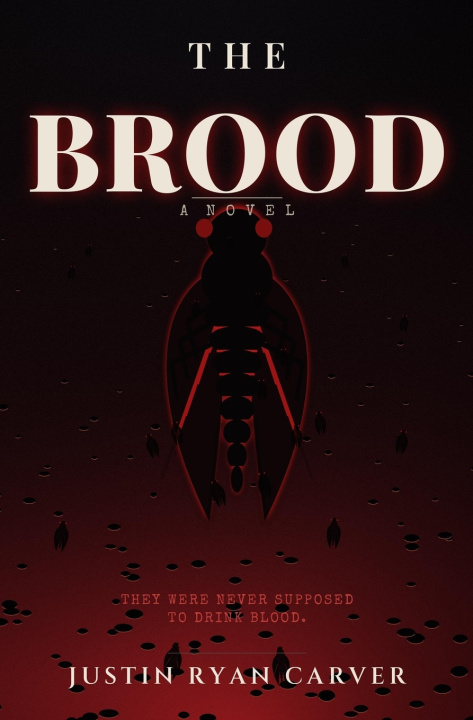
Every thirteen years, the cicadas come up out of the ground to sing.
This spring, in the bottom counties of Southern Illinois, they came up to feed.
It starts small. A prize heifer found drained white in a pasture. A family dog dead against the gate he guarded for ten years, not a drop of blood left in him. A country vet named Marcy Thompson starts keeping a list-and when she pins it to a map, the dead aren't scattered. They're pointing. Every drained animal in nine counties leans inward, toward one sealed and forgotten coal mine, and toward a number climbing in the warm ground beneath everyone's feet.
Sixty-four degrees. That's the temperature eight inches down. That's when the brood comes up.
What rises is no ordinary cicada. Thirteen years underground changed it into something that was never supposed to exist-and it is coming for the warm blood of every living thing in the valley, on a clock that does not stop. To break it, an entomologist who has loved insects his whole life, a widowed farmer with nothing left to lose, and a vet who cannot let a single thing go will have to do the impossible before the brood lays its eggs and starts the next thirteen years.
No one is coming to save them. The government has run out of hands. The cavalry isn't on the way.
So a thousand ordinary people-farmers, veterans, truckers, kids with no school left to go to-decide to save themselves.
A heart-pounding cross of ecological horror, technothriller, and small-town American suspense, The Brood asks the question at the bottom of every nightmare: when the clock is running out and there's no one left to call, what are ordinary people willing to do for the people they love?
The ground is already warm.