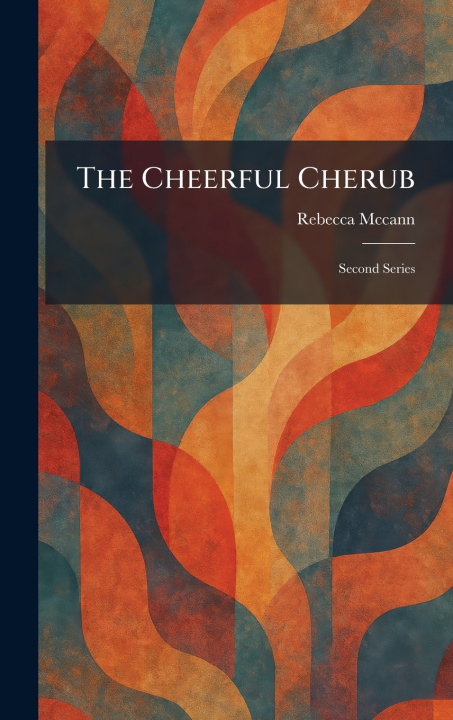
"The Cheerful Cherub Second Series" is a delightful collection of light verse and simple wisdom from the pen of Rebecca McCann. Continuing the legacy of her beloved character, this volume captures the whimsical reflections of a diminutive philosopher who observes the world with a blend of humor, optimism, and gentle irony. Through short, accessible stanzas, McCann explores universal themes ranging from the beauty of nature and the quirks of human behavior to the quiet joys of domestic life.
This work stands as a significant example of early 20th-century inspirational poetry, offering readers a moment of levity and introspection. The poems serve as brief meditations on finding happiness in the mundane, delivered with a charm that made the "Cherub" a household name in American literature. "The Cheerful Cherub Second Series" remains a testament to the era's appetite for heart-warming philosophy that resonates across generations. Whether contemplating the weather or the complexities of the human spirit, McCann's work provides a timeless perspective on the art of living cheerfully and with a curious mind.
This work has been selected by scholars as being culturally important, and is part of the knowledge base of civilization as we know it. This work was reproduced from the original artifact, and remains as true to the original work as possible. Therefore, you may see the original copyright references, library stamps (as most of these works have been housed in our most important libraries around the world), and other notations in the work.
This work is in the public domain in the United States of America, and possibly other nations. Within the United States, you may freely copy and distribute this work, as no entity (individual or corporate) has a copyright on the body of the work.
As a reproduction of a historical artifact, this work may contain missing or blurred pages, poor pictures, errant marks, etc. Scholars believe, and we concur, that this work is important enough to be preserved, reproduced, and made generally available to the public. We appreciate your support of the preservation process, and thank you for being an important part of keeping this knowledge alive and relevant.