Introduction to Lemurs
Overview of Lemurs
Lemurs are among the most fascinating and distinctive primates on Earth, representing a unique branch of primate evolution found almost exclusively on the island of Madagascar. For millions of years, these remarkable animals have evolved in relative isolation, developing an extraordinary diversity of forms, behaviors, and ecological adaptations. Today, lemurs are widely recognized as symbols of Madagascar's rich biodiversity and are considered some of the most important animals inhabiting the island's forests, woodlands, and other natural ecosystems. Their unusual appearance, complex social lives, and ecological significance have attracted the attention of scientists, conservationists, and wildlife enthusiasts around the world.
Unlike monkeys and apes, lemurs belong to a more ancient group of primates known as strepsirrhines. They retain several characteristics that provide insight into the early stages of primate evolution. Their keen senses of smell, specialized grooming structures, and diverse methods of communication distinguish them from many other primates. While some species are active during the day, others are nocturnal or crepuscular, allowing lemurs to occupy a wide range of ecological niches. This diversity has enabled numerous species to coexist within Madagascar's varied environments.
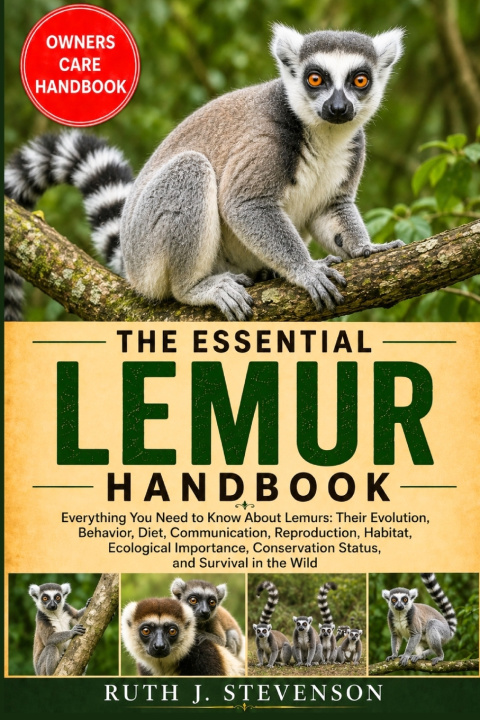
Lemurs vary enormously in size and appearance. Some species, such as the tiny mouse lemurs, weigh only a few dozen grams and rank among the smallest primates in the world. Others, including the indri, are considerably larger and possess powerful limbs adapted for moving through forest canopies. Ring-tailed lemurs, perhaps the most familiar species, are known for their striking black-and-white tails and highly social behavior. This remarkable variety reflects millions of years of evolutionary adaptation to different habitats and ecological conditions.
The study of lemurs provides valuable insights into primate biology, behavior, and evolution. Because Madagascar has remained geographically isolated for such a long period, lemurs evolved independently from monkeys and apes found elsewhere in the world. Their continued survival offers a unique opportunity to understand evolutionary processes, ecological relationships, and the importance of conserving biodiversity. As flagship species for conservation, lemurs play a vital role in promoting awareness of environmental protection and the preservation of fragile ecosystems.
Scientific Classification and Taxonomy
Lemurs belong to the order Primates, making them relatives of monkeys, apes, and humans. Within the primate order, they are classified as strepsirrhines, a group that also includes lorises and galagos. Strepsirrhine primates are generally considered more closely related to the earliest ancestral primates than are monkeys and apes. Their classification reflects both their evolutionary history and the distinctive physical and behavioral characteristics that separate them from other primate groups.
The taxonomy of lemurs is remarkably diverse. Scientists currently recognize more than one hundred species and subspecies, although new discoveries and taxonomic revisions continue to occur. These species are grouped into several families, including Lemuridae, Indriidae, Cheirogaleidae, Lepilemuridae, and Daubentoniidae. Each family contains species that have adapted to specific ecological roles and environmental conditions. This diversity makes lemurs one of the most varied primate groups despite their restriction to a single island region.