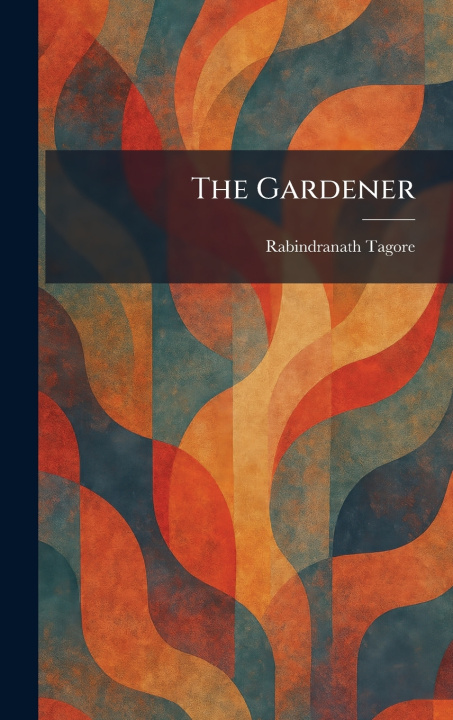
"The Gardener" is a profound collection of lyrics and prose-poems by the Nobel Laureate Rabindranath Tagore. Focused on the themes of love and life, this work distinguishes itself from Tagore's more overtly religious or philosophical writings by emphasizing the intimacy of human relationships and the vibrant beauty of the natural world. The verses capture the essence of romance, longing, and the subtle shifts of the human heart with a lyrical grace that has made his work a cornerstone of world literature.
The poems within "The Gardener" delve into the relationship between the individual and the universe, blending philosophical insights with vivid imagery. Each piece serves as a meditation on the fleeting moments of joy and sorrow that define the human experience. Through these verses, Tagore expresses a deep empathy for the human condition, making the collection a timeless exploration of the heart's internal landscape and the cyclical nature of existence.
As one of Tagore's most celebrated literary achievements, "The Gardener" offers readers a window into the soulful and evocative style that defined his career. Its universal themes of devotion and the passage of time continue to resonate, establishing it as a masterpiece of South Asian literature and a vital contribution to the global poetic canon.
This work has been selected by scholars as being culturally important, and is part of the knowledge base of civilization as we know it. This work was reproduced from the original artifact, and remains as true to the original work as possible. Therefore, you may see the original copyright references, library stamps (as most of these works have been housed in our most important libraries around the world), and other notations in the work.
This work is in the public domain in the United States of America, and possibly other nations. Within the United States, you may freely copy and distribute this work, as no entity (individual or corporate) has a copyright on the body of the work.
As a reproduction of a historical artifact, this work may contain missing or blurred pages, poor pictures, errant marks, etc. Scholars believe, and we concur, that this work is important enough to be preserved, reproduced, and made generally available to the public. We appreciate your support of the preservation process, and thank you for being an important part of keeping this knowledge alive and relevant.