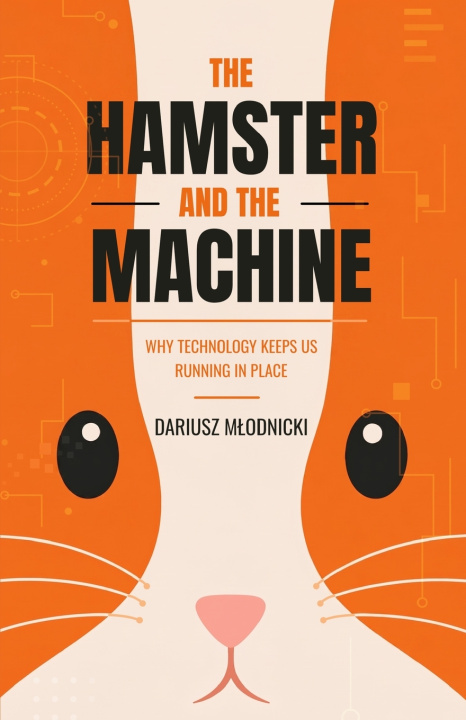
We were promised more free time. We got faster inboxes.
The future arrived more or less on schedule. The computer answers any question you ask it. The car can drive itself. The AI will draft the email, write the code, summarize the report. So why does none of it feel like the freedom it was supposed to buy - why are you busier than ever?
Because tools improve, and the bar quietly rises to meet them. The capability is real; it just gets absorbed. You can write the email in thirty seconds, so now you write more emails. The wheel spins faster, and the hamster - that's you - keeps running: more speed, more ground, no nearer the door.
This isn't a new complaint, and it isn't a panic. A Victorian economist watched it happen with coal. Keynes was so sure of rising productivity he predicted a fifteen-hour workweek by 2030. Biologists have their own name for it - the Red Queen. The Hamster and the Machine takes that old pattern and follows it, case by case, through the technology we actually live with - and the rare tools that slipped the trap.
It won't tell you to delete your apps, detox, or move to a cabin. It isn't anti-technology; the author grew up awestruck by science fiction and still is. It offers something more useful: a way of noticing - a handful of plain questions you can ask of any tool to tell whether it sets you free or just makes the wheel spin faster.
Sharp, calm, and a little wry, it's a field guide to the gap between everything technology can do and the freedom it keeps promising - and never quite hands over.