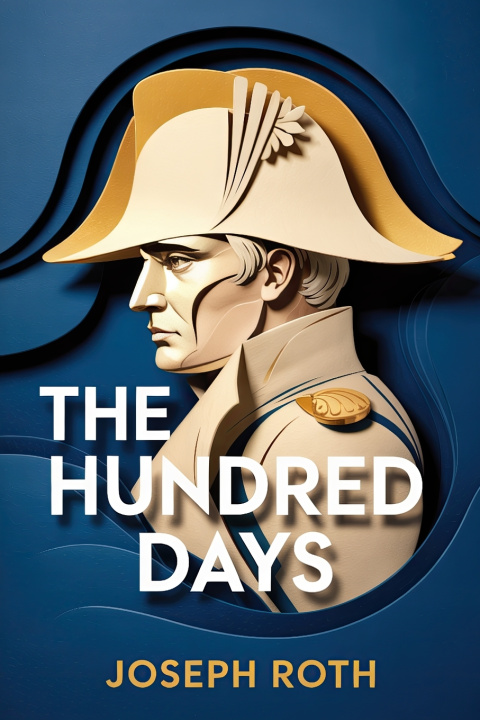
Paris, March 1815. Napoleon Bonaparte has returned from exile on Elba, and the city receives him with the roar of crowds and the flight of the king he has displaced. For a hundred days, he will rule again - alone in the Tuileries, surrounded by advisors he cannot trust, preparing for the battle that will end everything.
In the corridors of his palace, a Corsican laundress named Angelina goes about her work. She has refused two proposals of marriage. She has a child she raises alone. She loves only one man in the world, and he does not know her name.
The Hundred Days tells the story of Napoleon's last return through two perspectives - the Emperor's and the laundress's - held apart by an unbridgeable distance of rank and drawn together by the same condition: a devotion so complete it asks nothing in return and receives nothing back.
Published in 1935 while Roth himself was in exile in Paris, watching Europe prepare to destroy itself again, The Hundred Days is one of his most intimate and most beautiful novels - a meditation on greatness and loneliness, on the loyalty that ordinary people give to extraordinary things, and on what remains when the thing you have devoted yourself to is finally, irrevocably gone.
By Joseph Roth. Author of The Radetzky March.