Life flows like a river, through the valleys of human existence, through the tunnels of time, and eventually into the vast sea of destiny.
Beginning with the protagonist's childhood during the Cultural Revolution in Beijing, the novel moves through the sweeping transformations of Post-Reform China and extends into the immigrant experience of modern-day Los Angeles. Between history and reality, East and West, the characters navigate the intertwined complexities of family, friendship, and love while carrying the invisible weight of fate. In the course of their long emotional and spiritual journeys, they continue to ask a timeless question: how does one understand the meaning of a life lived within the tide of history?
Through the perspective of ordinary people, the novel reveals the profound impact of social change on both daily life and the inner world of the individual. It is not only a story about love, loss, separation, and survival, but also an exploration of loneliness, vulnerability, endurance, and the quiet dignity of being human. Faced with the tensions between ideals and reality, morality and freedom, hope and aging, each character searches for meaning along the uncertain path of life.
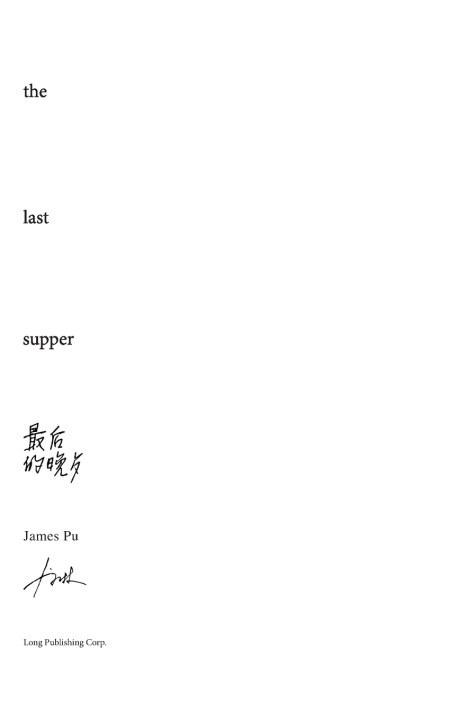
At the intersection of past and present, external reality and inner consciousness, The Last Supper offers a restrained yet deeply human portrait of people living within the overwhelming currents of history, reminding us of both the fragility and resilience that define the human condition.