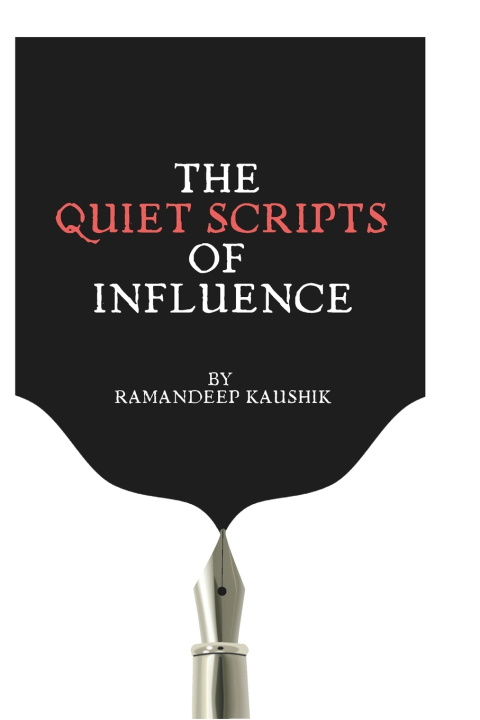
Книга The Quiet Scripts of Influence Ramandeep Kaushik

The Quiet Scripts of Influence

Автор: Ramandeep Kaushik
Език: Английски език
Корици: С меки корици
Издател: Independently published
Наличност: 50% вероятност
Ще претърсим света
214.28 419.10 лв
This Anatomy of Influence reveals 100+ "quiet truths" about how power, profit, and control operate b...

Информация за книгата

Автор
Език
Английски език
Корици
Книга - С меки корици
Издадена
2025
страници
394
EAN
9798266041141
Enbook ID
50540415
Издател
Теглоt
730
Размери
152 x 229 x 26

Пълно описание

This Anatomy of Influence reveals 100+ "quiet truths" about how power, profit, and control operate beneath the surface of modern life. Through detailed examination of everything from smartphone updates that deliberately slow older devices to philanthro-capitalism that funds visible bandages while blocking systemic cures, this book exposes the hidden mechanisms that shape our choices, extract our wealth, and manipulate our consent. Each chapter unveils a different facet of institutional control: how paywalls fortify ignorance against the poor, how lobbyists draft legislation that elected officials merely sign, how smart homes train our appliances to testify against us, and how surveillance grows cheaper every year while privacy becomes a luxury good. These aren't conspiracy theories but documented patterns of how systems designed to serve the public actually serve concentrated power-from disaster capitalism that patents cures before announcing diseases to network marketing schemes that transform friendships into inventory.

The book serves as both diagnosis and prescription, not only revealing how these systems work but providing practical solutions individuals and communities can implement to reclaim agency. Rather than promoting cynicism or despair, it empowers readers with the knowledge needed to recognize manipulation tactics, make more conscious choices, and organize for systemic change. By understanding how complexity camouflages accountability, how fear campaigns substitute for product improvements, and how bureaucracy converts living problems into lifeless forms, citizens can resist these mechanisms and build alternatives. The ultimate message is that once we see how power hides in plain sight-through everything from facial recognition systems that enfranchise cameras while disenfranchising faces to customer support mazes timed to exhaustion-we can demand transparency, support authentic alternatives, and create systems that serve human flourishing rather than wealth extraction.