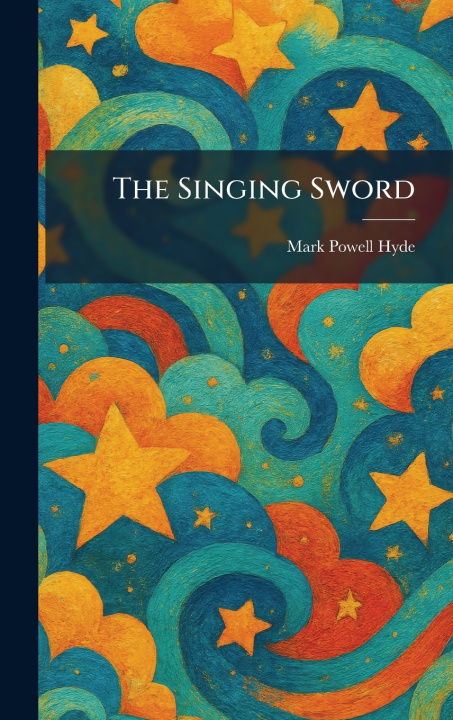
"The Singing Sword" is a captivating historical adventure set against the backdrop of Charlemagne's legendary court. Centering on the exploits of the young and noble Ogier the Dane, the narrative follows his journey as he strives to prove his worth and earn his place among the Emperor's most trusted knights. Immersed in the traditions of chivalry and honor, the story brings the medieval world to life through tales of daring battles, treacherous encounters, and the pursuit of justice.
At the heart of the tale is the quest for a fabled weapon and the defense of the realm against invading forces. As Ogier navigates the complexities of loyalty and courage, readers are treated to a vivid portrayal of the Carolingian era, blending historical atmosphere with the timeless appeal of heroic legends. Written with an engaging prose that captures the spirit of classic adventure, "The Singing Sword" remains a distinguished work of historical fiction for younger readers and anyone fascinated by the lore of knights and emperors. Through its exploration of bravery and the ideals of knighthood, the work continues to be a compelling example of early 20th-century juvenile literature inspired by medieval myth.
This work has been selected by scholars as being culturally important, and is part of the knowledge base of civilization as we know it. This work was reproduced from the original artifact, and remains as true to the original work as possible. Therefore, you may see the original copyright references, library stamps (as most of these works have been housed in our most important libraries around the world), and other notations in the work.
This work is in the public domain in the United States of America, and possibly other nations. Within the United States, you may freely copy and distribute this work, as no entity (individual or corporate) has a copyright on the body of the work.
As a reproduction of a historical artifact, this work may contain missing or blurred pages, poor pictures, errant marks, etc. Scholars believe, and we concur, that this work is important enough to be preserved, reproduced, and made generally available to the public. We appreciate your support of the preservation process, and thank you for being an important part of keeping this knowledge alive and relevant.