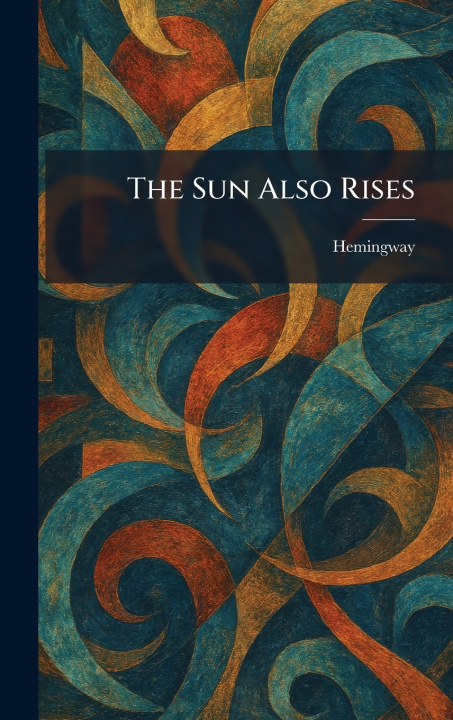
"The Sun Also Rises" is a cornerstone of modernist literature, capturing the profound disillusionment and restless spirit of the Lost Generation following World War I. The novel follows Jake Barnes, an American journalist left impotent by a war wound, and the captivating, fiercely independent Lady Brett Ashley as they navigate the bohemian circles of 1920s Paris. Their journey takes them from the jazz-soaked cafes of the Left Bank to the intense, primal atmosphere of the bullfighting festival in Pamplona, Spain.
Through spare, evocative prose, the narrative explores themes of masculinity, unrequited love, and the search for meaning in a world scarred by conflict. The work portrays a group of expatriates who seek solace in drink, travel, and spectacle, yet remain haunted by a sense of spiritual emptiness. As a definitive work of the twentieth century, "The Sun Also Rises" remains a powerful meditation on resilience and the enduring human condition, famously exemplifying the influential "iceberg theory" of writing style. This timeless classic offers an indelible portrait of an era and the fragile lives caught in its wake.
This work has been selected by scholars as being culturally important, and is part of the knowledge base of civilization as we know it. This work was reproduced from the original artifact, and remains as true to the original work as possible. Therefore, you may see the original copyright references, library stamps (as most of these works have been housed in our most important libraries around the world), and other notations in the work.
This work is in the public domain in the United States of America, and possibly other nations. Within the United States, you may freely copy and distribute this work, as no entity (individual or corporate) has a copyright on the body of the work.
As a reproduction of a historical artifact, this work may contain missing or blurred pages, poor pictures, errant marks, etc. Scholars believe, and we concur, that this work is important enough to be preserved, reproduced, and made generally available to the public. We appreciate your support of the preservation process, and thank you for being an important part of keeping this knowledge alive and relevant.