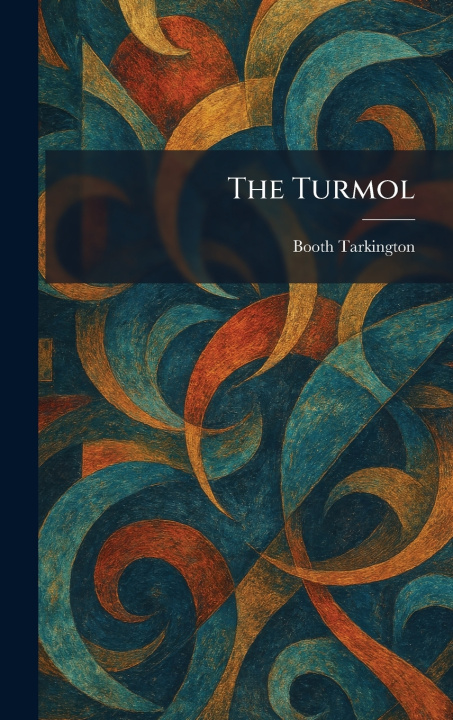
"The Turmoil" is a poignant exploration of the shifting landscape of American life during the rise of industrialism. Set in a rapidly growing Midwestern city, the novel centers on the Sheridan family, led by a self-made patriarch obsessed with expansion, profit, and the physical growth of the city. At the heart of the story is Bibbs Sheridan, the youngest son, whose delicate nature and poetic aspirations stand in stark contrast to his father's relentless pursuit of material success.
As the city chokes under the soot and noise of progress, Bibbs finds himself caught between his personal ideals and the heavy expectations of his family legacy. Through a blend of social commentary and intimate character study, Booth Tarkington examines the human cost of the industrial machine and the friction between old-world values and the new American drive for supremacy. A masterpiece of social realism, "The Turmoil" captures the spirit of an era defined by smoke, steel, and the search for identity amidst the chaos of change.
This compelling narrative offers a timeless reflection on the pursuit of the American Dream and the sacrifices made in its name, serving as a landmark work in the study of early 20th-century American society.
This work has been selected by scholars as being culturally important, and is part of the knowledge base of civilization as we know it. This work was reproduced from the original artifact, and remains as true to the original work as possible. Therefore, you may see the original copyright references, library stamps (as most of these works have been housed in our most important libraries around the world), and other notations in the work.
This work is in the public domain in the United States of America, and possibly other nations. Within the United States, you may freely copy and distribute this work, as no entity (individual or corporate) has a copyright on the body of the work.
As a reproduction of a historical artifact, this work may contain missing or blurred pages, poor pictures, errant marks, etc. Scholars believe, and we concur, that this work is important enough to be preserved, reproduced, and made generally available to the public. We appreciate your support of the preservation process, and thank you for being an important part of keeping this knowledge alive and relevant.