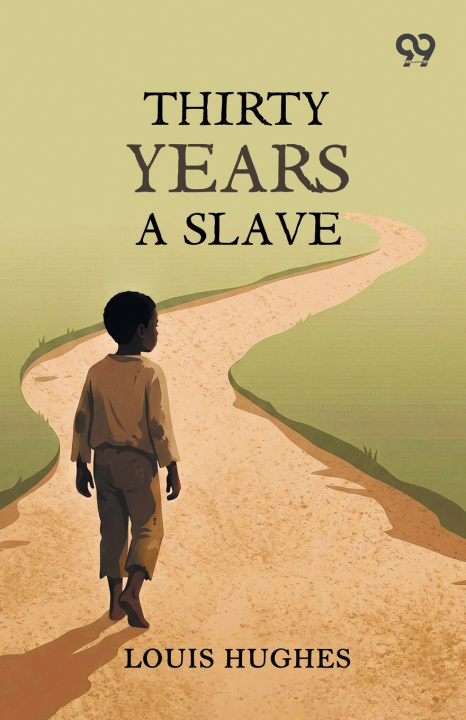
Thirty years a slave recounts a firsthand life narrative of bondage, endurance, and the determined pursuit of freedom under a system of forced labor and control. The account traces repeated sales, displacement, and harsh supervision across different locations, revealing how instability and coercion shaped daily existence. Attention is given to physical hardship, restricted movement, and the constant threat of punishment, alongside the emotional toll of separation and uncertainty. The narrative emphasizes resilience, adaptive skill, and quiet resistance expressed through learning, observation, and strategic decision making. Domestic routines, labor demands, and surveillance structures are described to show how authority was enforced and negotiated. Acts of assistance, moral courage, and mutual support appear as crucial sources of strength. The work examines power imbalance, human dignity, and the sustaining force of hope even under severe constraint. Reflection and testimony combine to transform personal memory into social witness. Broader concerns include injustice, endurance, moral accountability, and the value of freedom, presenting lived experience as evidence and appeal directed toward conscience and reform.