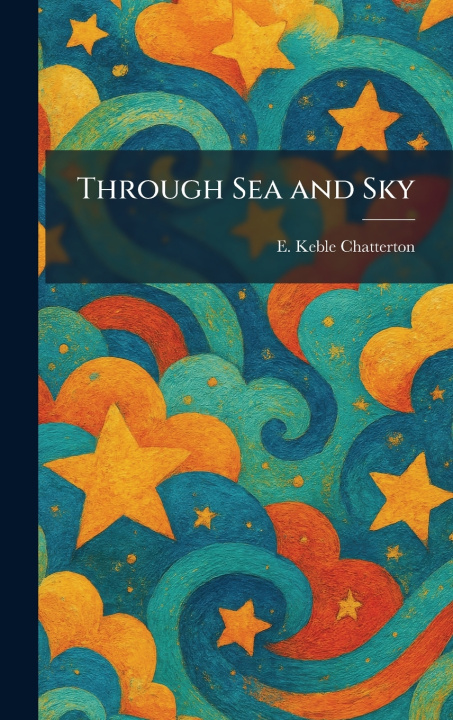
"Through Sea and Sky" is a gripping adventure tale by the renowned maritime author E. Keble Chatterton. Set against a backdrop of early 20th-century technological wonder, this narrative masterfully blends the thrill of naval exploration with the burgeoning excitement of early aviation. The story follows intrepid characters as they navigate the perils of the vast ocean and the unpredictable currents of the sky, highlighting the bravery and ingenuity required to conquer these formidable frontiers.
Known for his deep expertise in nautical matters, Chatterton brings an authentic sense of realism to the mechanical details and seafaring sequences. Readers are treated to a fast-paced journey involving high-stakes missions, technical challenges, and the timeless spirit of discovery. This work serves as both a compelling piece of adventure fiction and a fascinating reflection of an era when the worlds of seafaring and flight were rapidly converging. "Through Sea and Sky" remains a classic example of early modern adventure literature, capturing the imagination of anyone fascinated by the daring exploits of those who travel by wave and wind.
This work has been selected by scholars as being culturally important, and is part of the knowledge base of civilization as we know it. This work was reproduced from the original artifact, and remains as true to the original work as possible. Therefore, you may see the original copyright references, library stamps (as most of these works have been housed in our most important libraries around the world), and other notations in the work.
This work is in the public domain in the United States of America, and possibly other nations. Within the United States, you may freely copy and distribute this work, as no entity (individual or corporate) has a copyright on the body of the work.
As a reproduction of a historical artifact, this work may contain missing or blurred pages, poor pictures, errant marks, etc. Scholars believe, and we concur, that this work is important enough to be preserved, reproduced, and made generally available to the public. We appreciate your support of the preservation process, and thank you for being an important part of keeping this knowledge alive and relevant.