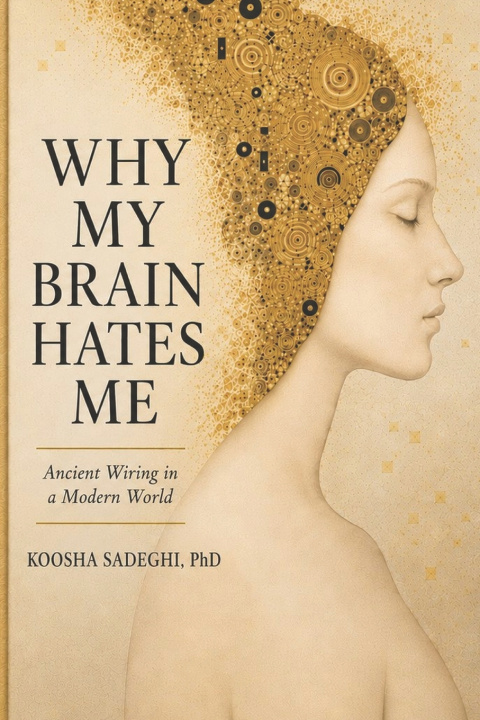
The human brain is the most extraordinary object ever discovered in the known universe. It contains more connections than there are stars in the Milky Way. It runs on less power than a dim light bulb. It is the only known structure in all of existence capable of watching itself think.
It also has a flaw. Actually, it has many.
Somewhere right now, a judge is deciding whether a human being goes to prison.
If it is before lunch, the odds are not good. Studies tracking thousands of judicial rulings found that judges grant parole approximately 65 percent of the time at the start of the day. As the hours pass and hunger builds, that number falls steadily - dropping to nearly zero just before a meal break. After lunch, it rebounds immediately back to 65 percent. The evidence did not change. The law did not change. The defendant did not change.
The judge was hungry.
This is not a story about one judge. It is a story about all of us. Our brains - brilliant, extraordinary, universe-contemplating as they are - were built for a world that no longer exists. And in the gap between the brain we have and the world we actually live in, almost everything interesting about human behavior happens.
Why My Brain Hates Me maps that gap. Not to make us feel broken - but to give us something far more valuable than comfort. The ability to see ourselves clearly. Because the moment we understand why our brain does what it does, we stop being its passenger.
We become its driver.